Illuminated Manuscripts Tell Story of Imperial Spanish Fashion
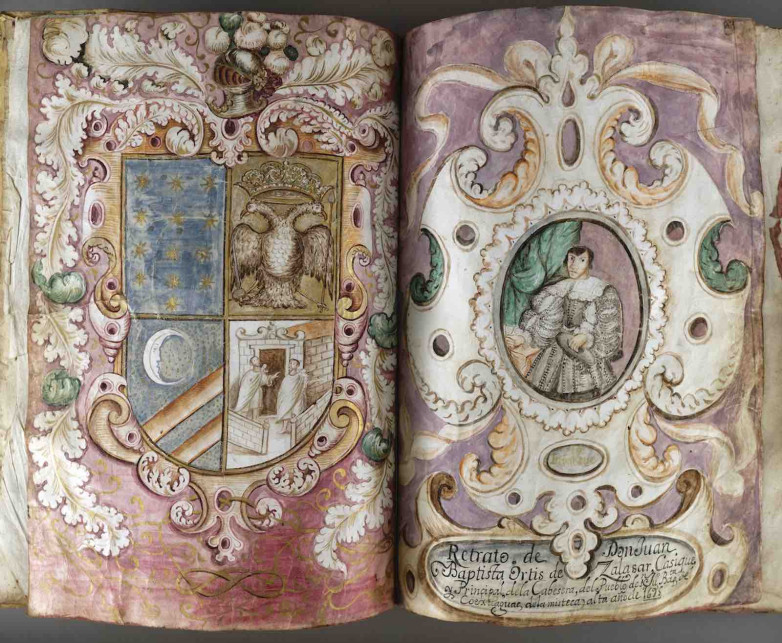
Illuminated manuscript, 1695, portrait of an indigenous Mexican nobleman in Spanish dress



An exhibition exploring the evolution of Spanish high fashion at the peak of Spain’s imperial power at The Hispanic Society Museum & Library opens next month in New York.
Spanish Style: Fashion Illuminated, 1550–1700 runs November 6 through March 22, 2026, curated by art historian Dr. Amanda Wunder, a leading authority on Spanish dress and culture in the 16th and 17th centuries, Professor of History at Lehman College, and author of Spanish Fashion in the Age of Velázquez: A Tailor at the Court of Philip IV.
The exhibition brings together rarely exhibited manuscripts, textiles, jewelry, and artworks from the period, including the Hispanic Society’s world-class collection of 'cartas ejecutorias de hidalguía'. These richly illuminated manuscripts, many of which are being displayed for the first time, feature miniature portraits which help tell the story of European fashion in this period.
“The Hispanic Society’s extraordinarily rich and varied collections bring to life the spectacular and sometimes very strange fashion trends that were popular in Spain hundreds of years ago,” said Wunder. “This exhibition reveals not just what people wore, but why and how the specific elements of the Spanish style were so effective at conveying status during the imperial era.”
The 16 cartas ejecutorias de hidalguía are legal certificates affirming a person’s noble status. The Hispanic Society is home to one of the world’s most important collections of these documents. Of particular interest is a carta ejecutoria belonging to Don Gabriel Ortiz, an indigenous nobleman (cacique) in New Spain (contemporary Mexico) whose portrait exemplifies the ways indigenous people throughout the Spanish empire employed fashion to navigate multiple shifting identities.
A fully illustrated exhibition catalogue will accompany the show.